I remember when a lot of wild food recipes were more about subsistence than enjoyment. They didn't do much to win over anyone but die-hard foragers. More and more these days we're getting to see the foodie side of wild food. I do love knowing my entire meal was growing wild only hours ago. There's something really visceral about the experience and it's good to know I can find food if I have to. But it's not always that practical. I also like the everyday accessibiliy of incorporating wild edibles in my domesticated meals. And I like it all to taste good.
Foraging and Cooking Sustainable, Local and Wild Food
My first experience with eating wisteria and redbud flowers was at a wild food potluck years ago. I had recently read you could eat both but hadn't tried. The mild sweet of wisteria, the acidic sour of redbud and the complementary beauty of both sounded perfect for a salad. So I spent an afternoon foraging the flowers and a few greens around an old abandoned home site. My salad was a big hit with the kids...especially the little girls. They loved picking out the flowers one by one to eat them.
We've been wanting to make this for a while. Since we do our best not to eat factory-farmed meat, it's been a long time since we've eaten anything but tempeh in our Reubens. But I will say it's hard to beat a tempeh Reuben. We've also been trying to stay away from the nitrates in cured meat. One week they'll kill you. The next they're perfectly harmless. Who knows?
Bear grease is a wonderful thing. Anyone who knows me knows my enthusiasm for evangelizing this all natural, all free product. In Camp Cookery, Horace Kephart says, "All of the caul fat [of a bear] should be saved for rendering into bear's oil, which is much better and wholesomer than lard." Made right, it has almost no flavor.
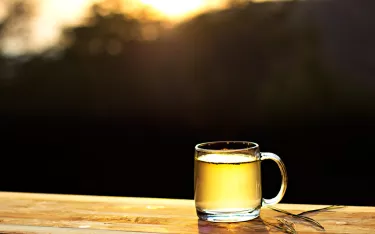
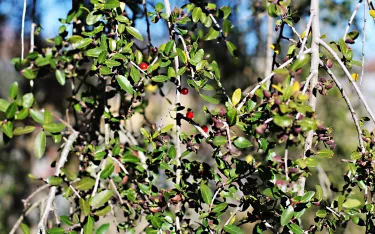
Yaupon holly (Ilex vomitoria) is an evergreen shrub native to the southeastern U.S. Yaupon holly produces small white flowers in the spring followed by red berries on female plants that remain through fall. Its small dark green ovate to elliptical leaves are scalloped and occur alternately on the stem. Ilex vomitoria may reach heights of up to 25 or 30 feet. The leaves contain more caffeine by weight than both coffee beans and green tea and it has the highest caffeine content of any plant native to North America.
I won't lie.
You aren't gonna win any favor serving these at your stuffy cocktail party.This is something you share with your best friends - the ones who won't lie to your face and tell you that your dirt-like decoction is to die for. They're the ones would as likely say, "Ew, this is gross... let's go get some beers." Don't get me wrong... it's not unpalatable. It's not even gross if you're accustomed to earthy herbal tea. I love a plantini, but it ain't a mint julep.
Fresh stinging nettle is one of our most nutritious wild foods and makes a great cooked green, and it's also a perfect addition to fresh hand-made pasta. Since it keeps its bright green color after cooking, it makes a beautiful and healthful pasta.
Spring has sprung,
Winter has went,
It was not did by accident.
We haven't had a chance to dig our own ramps yet, but our good friend Jenny gave us some last weekend. Here's an awesome ramp soup recipe Cindy just came up with.
Here's another recipe that Cindy made for the Wild Food Weekend last month. The crackers make a great medium for incorporating super nutritious wild seeds into a meal. And making crackers means there's one less thing to buy. You can also crush and freeze them to use later as breadcrumbs in other recipes.
The watercress cheese actually seems to taste better after 3 days. Just be sure the water is clean wherever you forage for watercress.